
Company
We melt the glass before we make anything from it
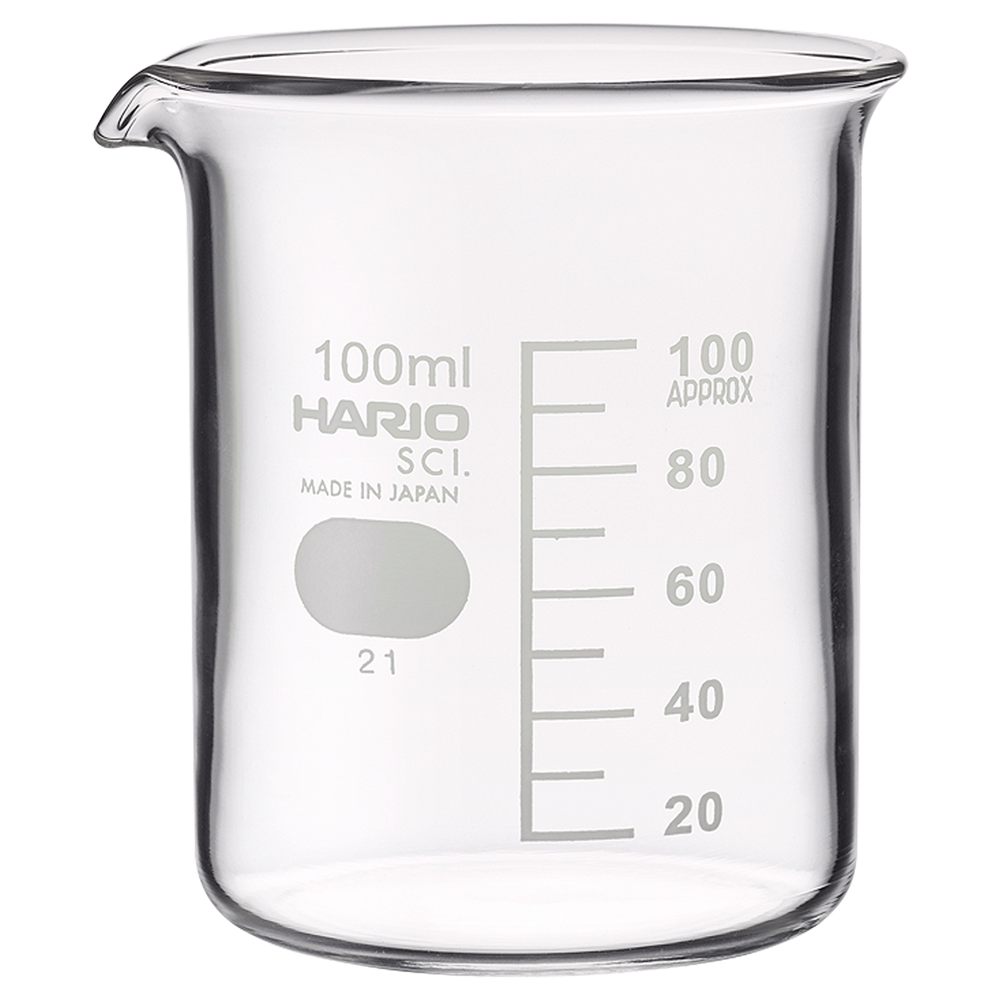
HARIO Science supplies laboratory glassware, semi-finished blanks and custom glass to customers in Japan and overseas. What sets the company apart is upstream: batching, melting, forming, annealing, machining and printing all happen on one site in Ibaraki, from raw material to the last graduation line.
The plant
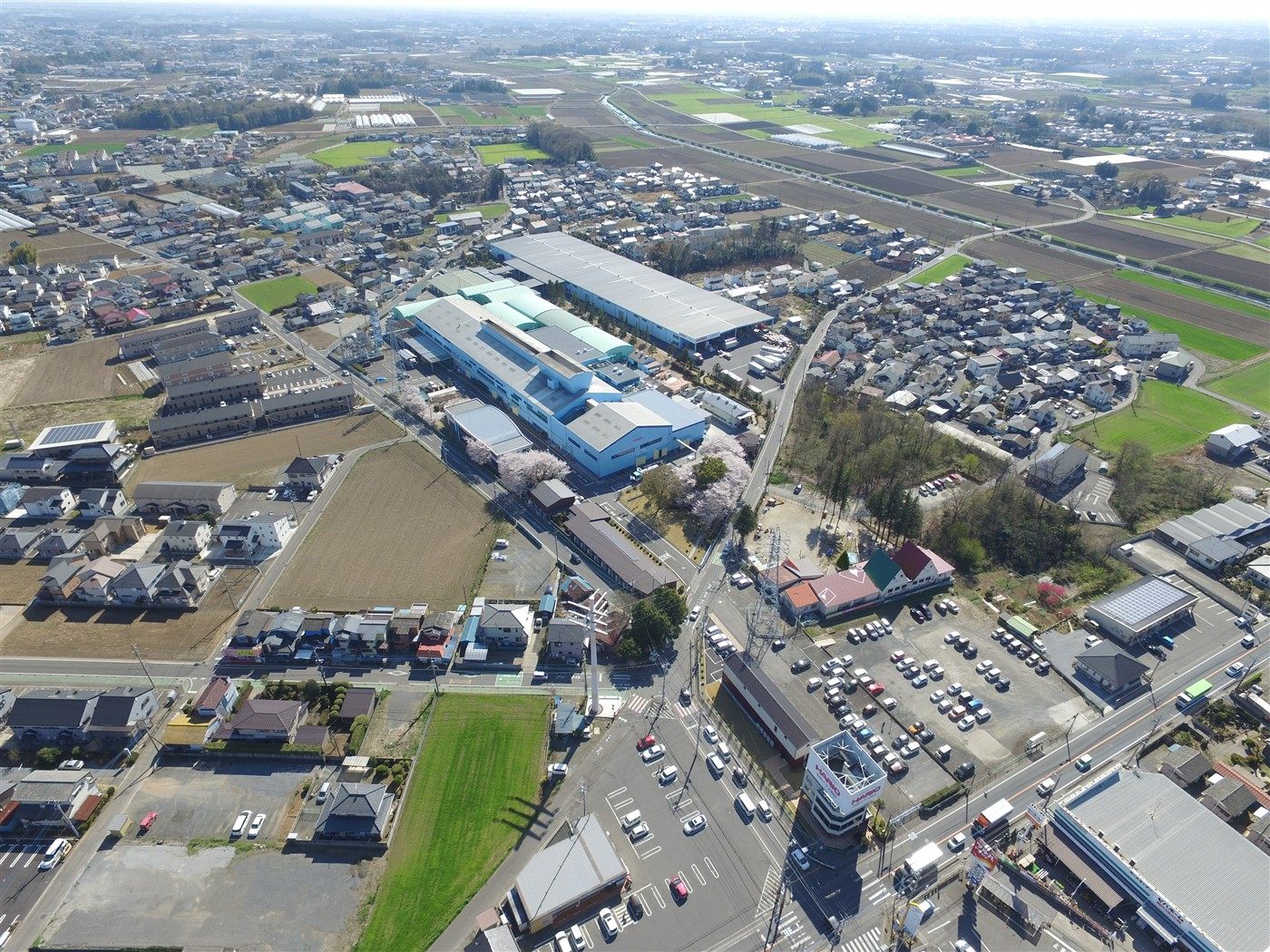
Koga Plant, Ibaraki
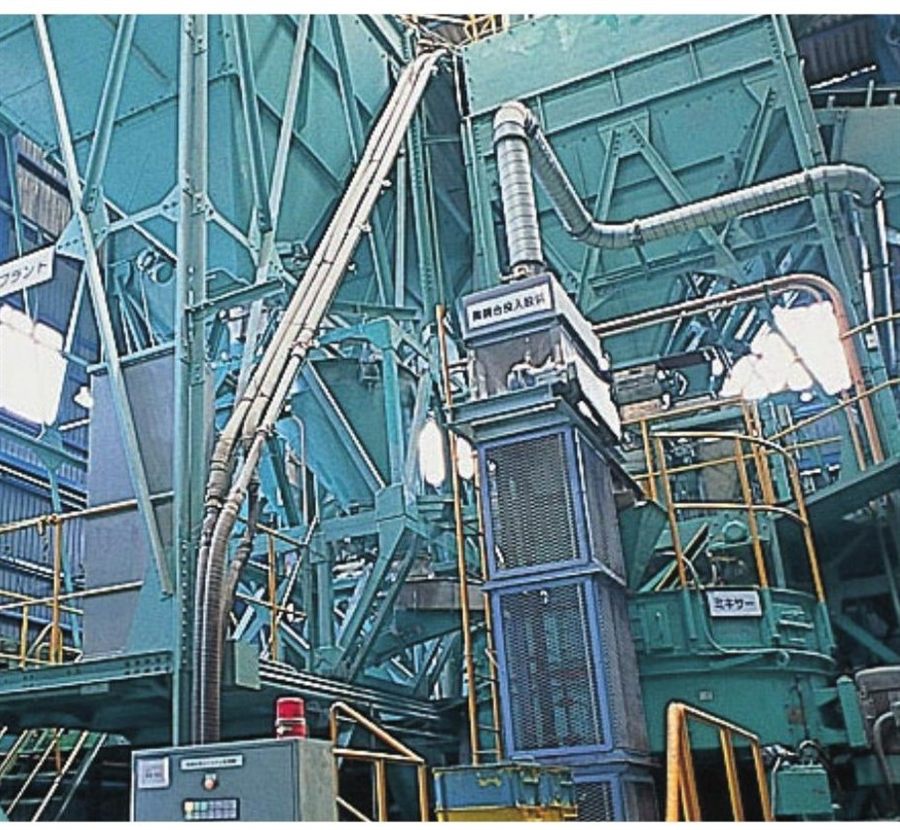
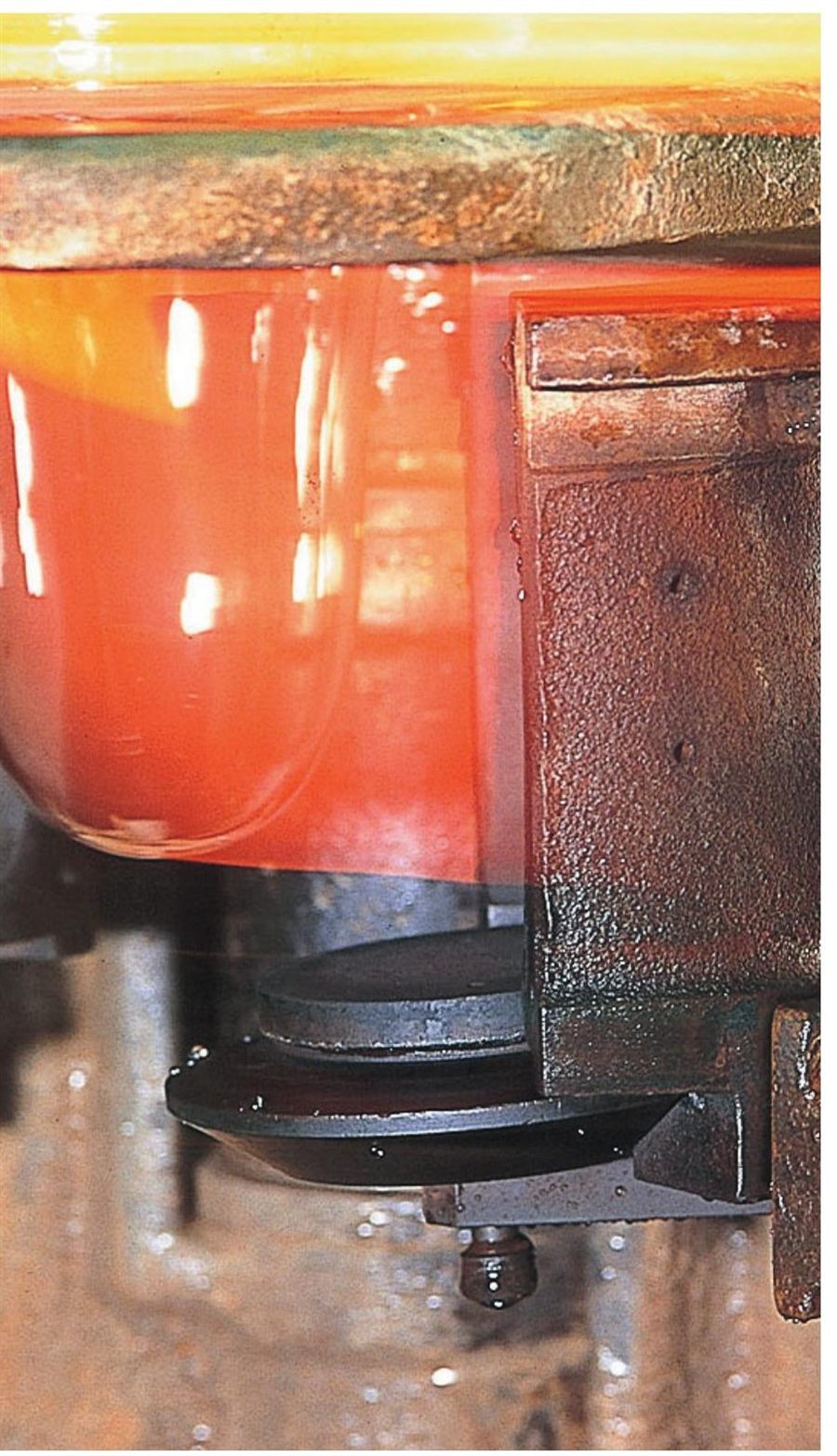
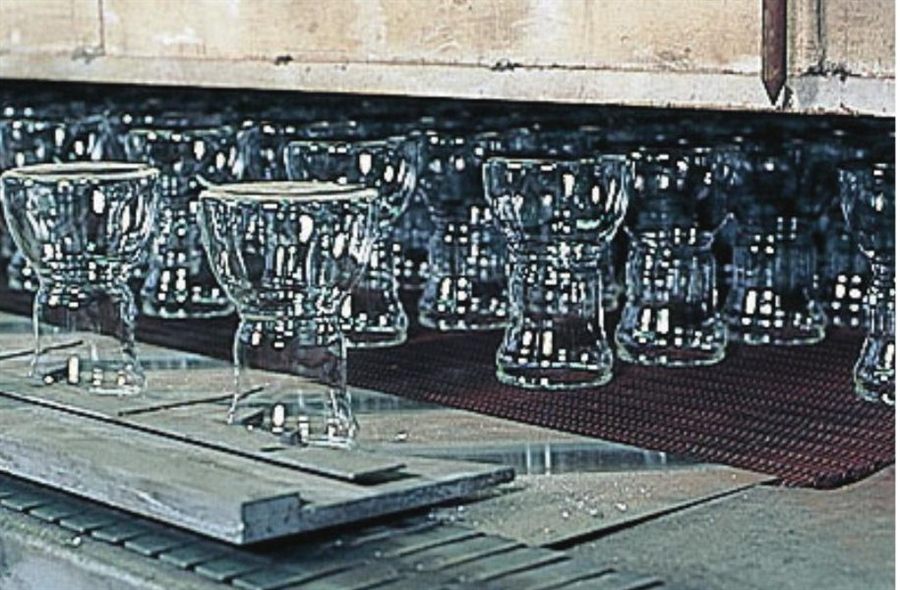
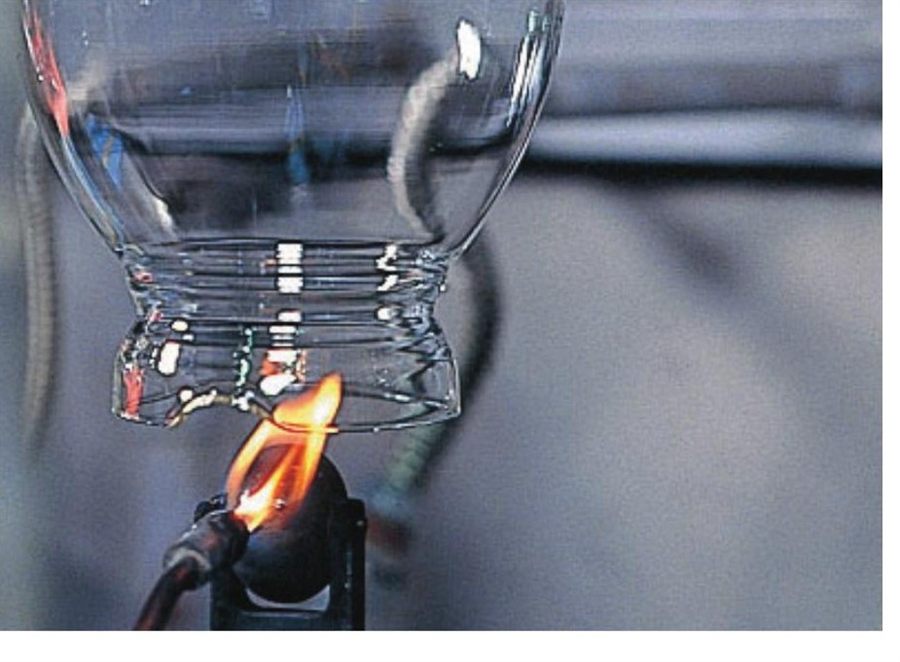
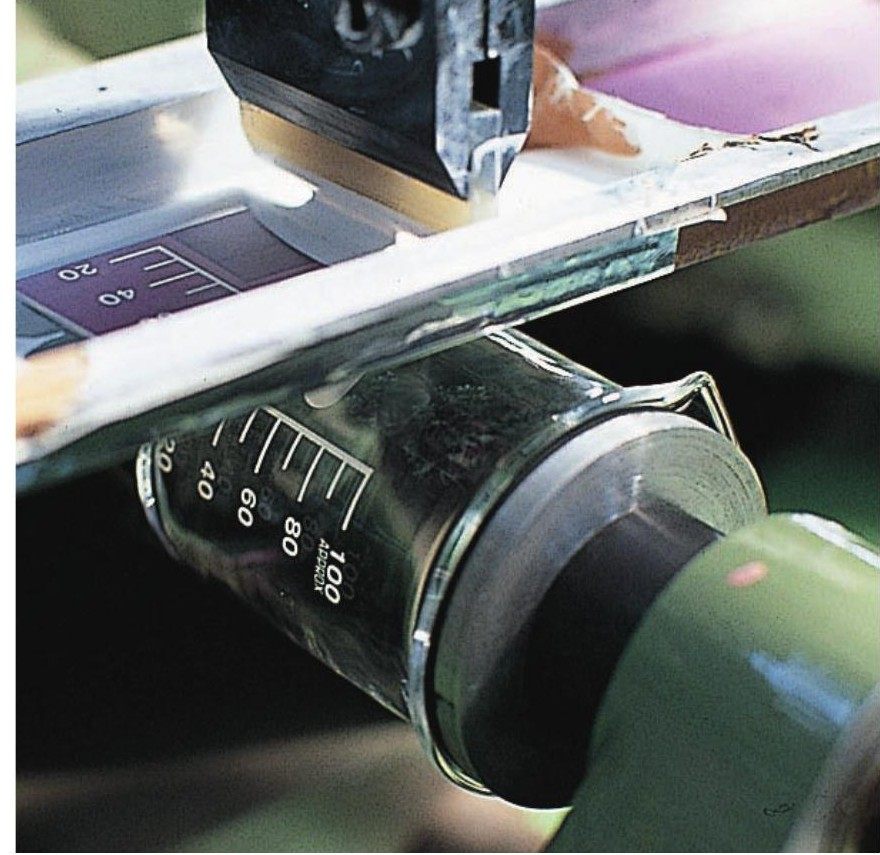
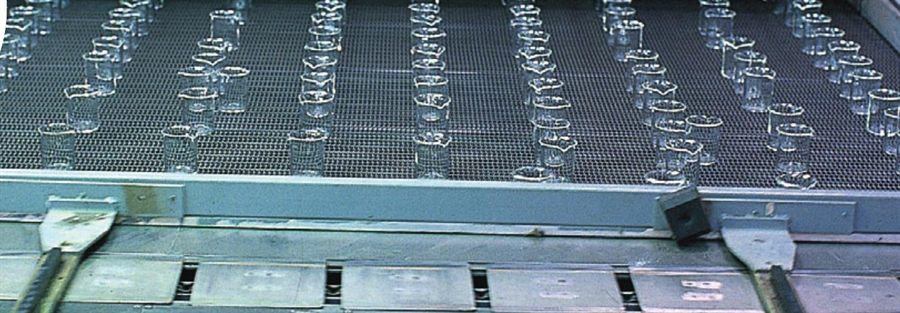
Seven stages — batching, melting, forming, annealing, machining, printing and firing — sit inside one boundary, with hand-forming alongside the automatic lines. Nothing is handed to an outside processor and handed back.
That matters for two reasons. Quality problems can be traced to the stage that caused them rather than argued about between suppliers. And when a specification changes, the change lands in one place instead of propagating through a chain.
How we melt
A glass plant without a chimney
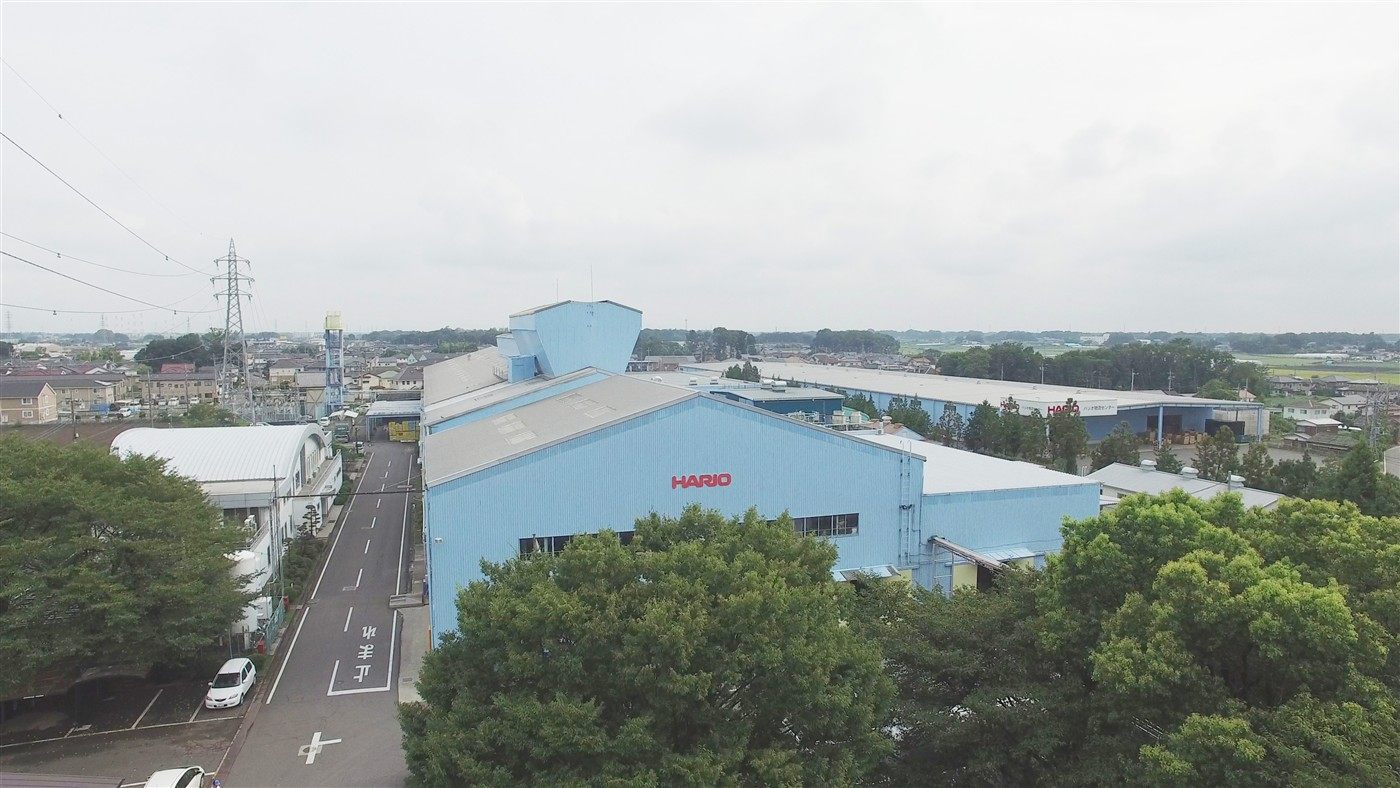
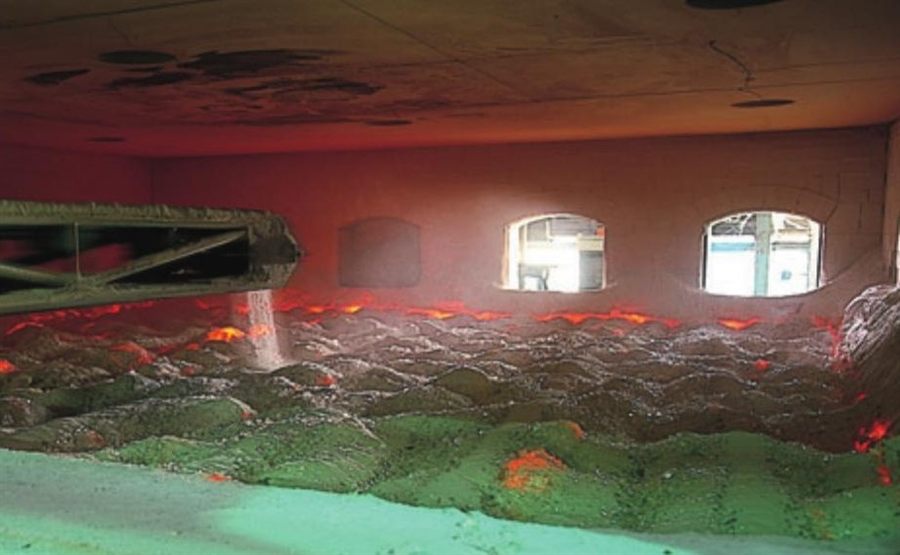
In 1972 the company developed a direct electric melting furnace. Current is passed through electrodes into the glass itself, so the batch is heated from within rather than by burning fuel above it. There is no combustion exhaust, and therefore no chimney.
The furnace won the Japan Invention Grand Prize in 1977 and an award from the Director-General of the Science and Technology Agency in 1982. More than fifty years on, it is still why a glass factory can sit among farmland and housing without a stack on the skyline.
Off-cuts and rejects return to the batch as cullet. The only fining agent used is natural salt — no arsenic, no antimony.
Process
From sand to a finished graduation line
Every stage below happens at the Koga Plant.
Assurance
What we can show you on paper
ISO 9001
Quality management
Certified quality management system covering the production processes at the Koga Plant.
ISO 14001
Environmental management
The Koga Plant has been certified since 2001.
JIS
JIS marking approval
Approved since 1961 for chemical analysis glassware and glass tubing and rod under the Japanese Industrial Standards.
Inspection certificates, Safety Data Sheets and material declarations are available in English on request. Tell us which documents your procurement or customs process requires.
History
A century of one material
HARIO Science was incorporated in 2004 to carry the laboratory glass business. The glassmaking behind it goes back considerably further.
- 1921
Hiromu Shibata Works founded in Kanda-Sudacho, Tokyo. Manufacture and sale of laboratory glassware begins.
- 1949
After years of research, the melting of “HARIO glass” succeeds.
- 1955
The industry’s first tank furnace for hard first-grade glass is completed at the new plant.
- 1961
Approved as a JIS marking factory for chemical analysis glassware and glass tubing and rod.
- 1968
Hard first-grade H-32 glass is developed and enters mass production. Land is acquired at Morokawa, Koga-shi, Ibaraki for a new plant.
- 1971
The Koga Plant is completed.
- 1972
The direct electric melting furnace is developed in-house.
- 1977
The furnace receives the Japan Invention Grand Prize; in 1982, an award from the Director-General of the Science and Technology Agency.
- 1983
The world’s first computer-controlled high-mix, low-volume glass production line enters full operation at the Koga Plant.
- 2001
The Koga Plant is certified to ISO 14001.
- 2004
HARIO Science Co., Ltd. is established.
- 2012
Group companies merge to form HARIO Co., Ltd.
- 2022
HARIO Glass® is registered as a trademark.
Profile
Company profile
| Company name | HARIO SCIENCE CO., LTD. ハリオサイエンス株式会社 |
|---|---|
| Established | August 2004 |
| Representative | Tadayasu Shibata, Representative Director |
| Capital | JPY 60,000,000 |
| Head office | 9-3 Nihonbashi-Tomizawacho, Chuo-ku, Tokyo 103-0006, Japan TEL +81-3-5614-2101 / FAX +81-3-5614-2122 |
| Plant | Koga Plant — 1371 Morokawa, Koga-shi, Ibaraki 306-0126, Japan TEL +81-280-76-0661 / FAX +81-280-76-8617 |
| Business | Planning, manufacture and sale of laboratory glassware (beakers, flasks and related items), semi-finished blanks and glass tubing, glass fiber filter tape, and OEM products in borosilicate glass. |
| Material | H-32 borosilicate glass, thermal expansion α = 32 × 10−7/K |
| Certifications | ISO 9001, ISO 14001 (Koga Plant), JIS marking approval |
| Group | Part of the HARIO group (HARIO Co., Ltd.) |
Start a conversation
Whether you are evaluating a consumable, sourcing glassware, or looking for a partner who can make a part nobody else will — tell us what you need and we will give you a straight answer on feasibility, volume and lead time.