
OEM & custom glass
Custom glass parts, from material made inside the group
The glass is melted at the group’s own plant in Japan. The forming happens in the group as well.
Send us a drawing. If you have no drawing, tell us what the part must do.
Capability
What we can do
01 / TUBING
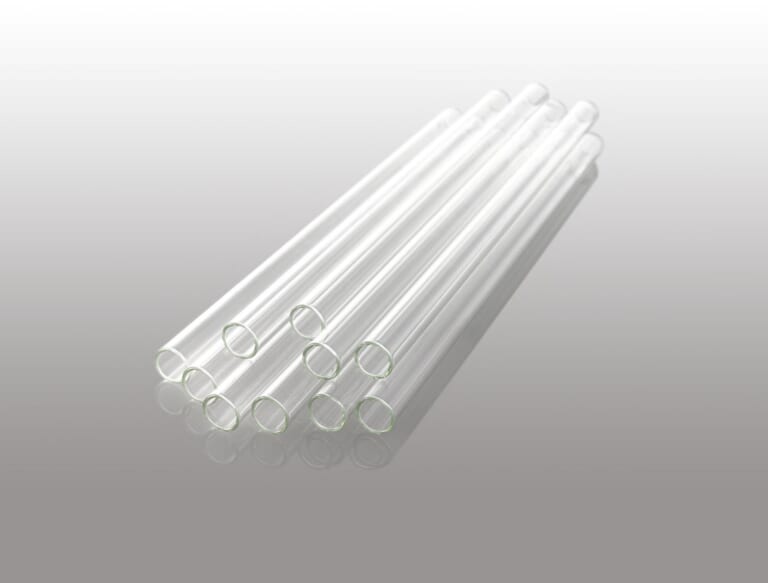
Glass tubing
Drawn at the group’s own plant in Japan and supplied by length. Diameter and wall thickness to your specification.
We draw small-diameter tubing. For larger hollow shapes we use blow forming instead.
02 / BLANKS
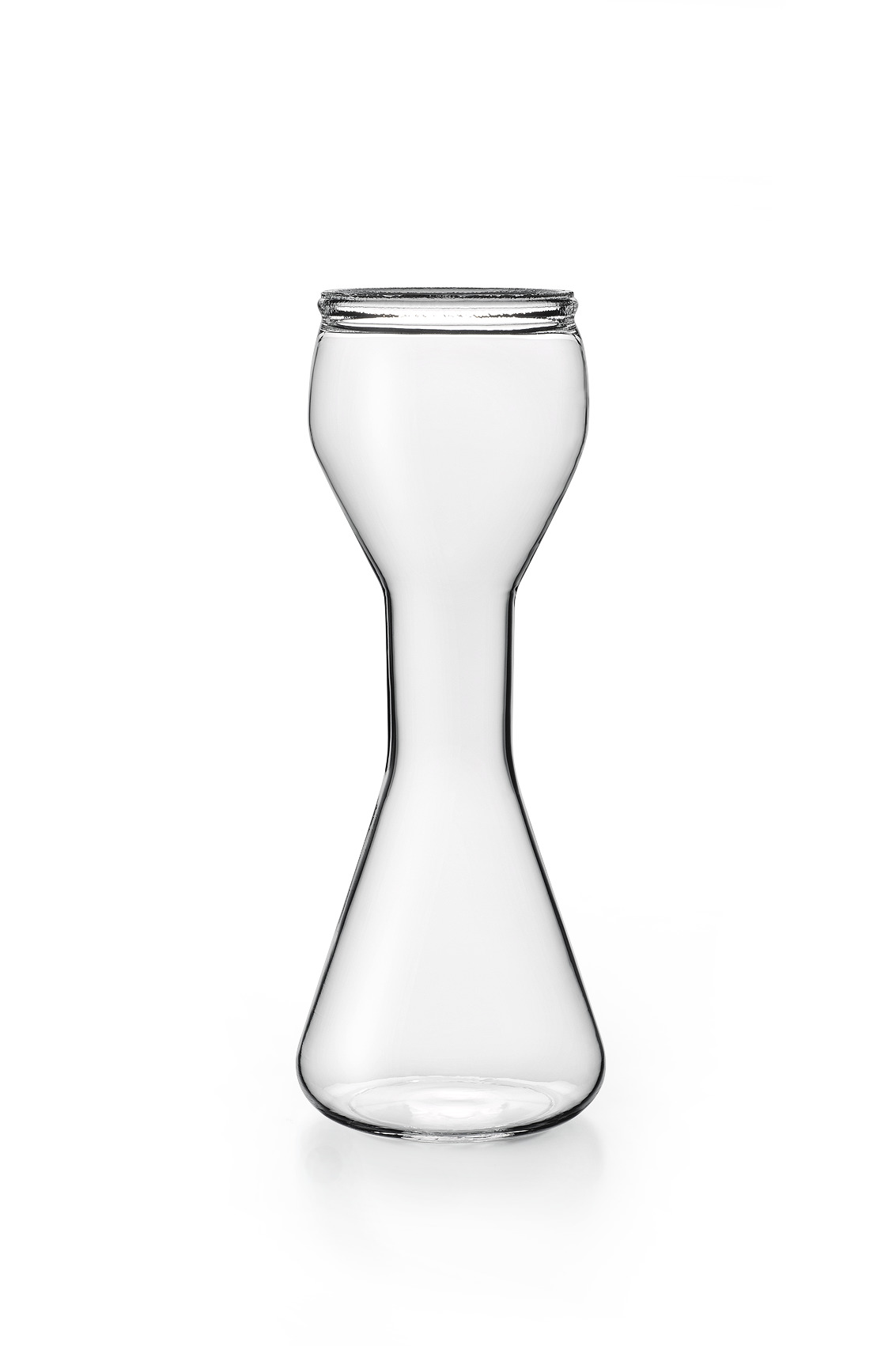
Blanks & part-finished pieces
Pieces that are cut, flame-smoothed at the edge, or partly formed, supplied for you to finish. This is useful when you want to keep the last forming step in your own factory.
03 / CONSISTENCY
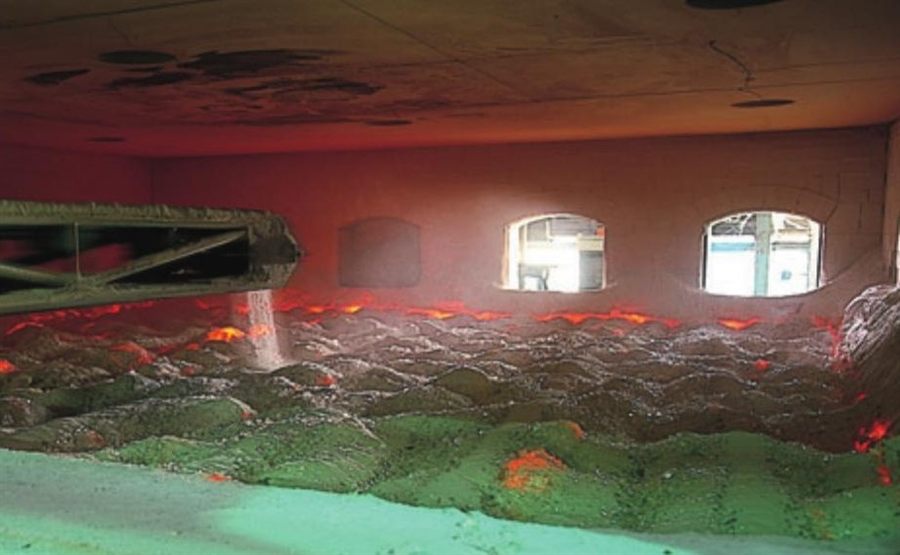
One composition, one source
The melting and the forming happen inside the same group. So the composition and the dimensions stay the same from lot to lot, over long programmes.
Forming methods
Four ways we form glass
If you already know which method your part needs, tell us. If not, describe the part and we will say which one applies.
01 / MACHINE BLOWING
Machine blowing
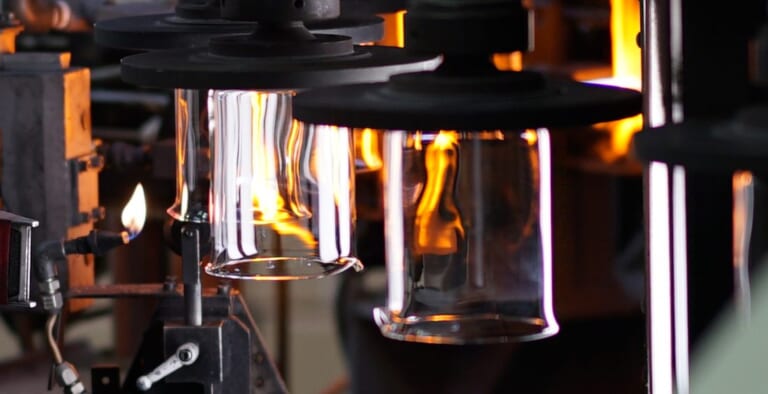
Hollow parts in volume. Bottles, flasks, and tubes with a wide body.
02 / HAND BLOWING
Hand blowing
Large, irregular or one-off shapes. Small lots and prototypes.
03 / HAND PRESSING
Hand pressing
Flat parts. Discs, plates, sight glass blanks, covers.
04 / TUBE DRAWING
Tube drawing
Small-diameter tube and rod.
Process
How an inquiry becomes a supply programme
Tell us the requirement
A drawing is best. A sketch, a photograph of an existing part, or a description of what the part must do is enough to start.
Feasibility and indicative cost
We tell you whether the shape can be made in borosilicate glass, at what tolerance, and what the volume means for the price. If it cannot be made, we say so at this stage.
Prototype
A sample piece for you to test in the real application, with the dimensions checked against the drawing.
Production and scheduled supply
Repeat production on a schedule, with inspection certificates and English shipping documents when you need them.
Track record
Three kinds of problem we have solved
The full case studies are published on our Japanese site. In outline:
CASE 01
A filtration funnel for a laboratory equipment maker
An existing shape was re-engineered so it could be produced reliably at the volume the customer needed.
CASE 02
A beaker used as retail packaging
Laboratory glassware adopted as the container for a food product, where the look of the labware was the point.
CASE 03
A joined-tube vessel for a distiller
Tubes of different diameters were joined to produce a vessel that could not be formed in one piece.
Request an export quotation
Send us the drawing or a description of the part, your annual volume, and your destination. We will send a quotation and confirm the lead time. We can issue inspection certificates and shipping documents in English.
9-3 Nihonbashi-Tomizawacho, Chuo-ku, Tokyo 103-0006, Japan
TEL +81-3-6861-5602 / FAX +81-3-6861-5603